This issue documents intensified repression in South Africa, Zimbabwe (Rhodesia), and Namibia. Topics include the banning of lawyers, new prison access restrictions, curbs on foreign legal funding, mass detentions including children, police torture, and the Mothopeng trial. Highlights include the death penalty for Solomon Mahlangu, the Kassinga massacre in Angola, the targeting of Catholic youth, and the rise in political prisoners. It also reports on secret detentions, attacks on educational groups, and the censorship of legal representation.
Transkei
16 Description archivistique résultats pour Transkei
This issue details a new phase of military escalation in Namibia, including South African troop build-ups, air raids in Angola, martial law extensions, and mass detentions in Windhoek. It covers the repression in ‘Zimbabwe-Rhodesia,’ highlighting political trials, executions, the Mothopeng PAC trial, and press censorship. Key developments include the sentencing of PAC members, reports of sexual violence by security forces in protected villages, new appointments to suppress dissent, and the systematic use of curfews and detentions without trial.
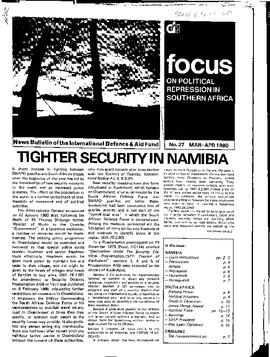
This issue covers intensifying repression in Namibia, including the introduction of tighter security measures in Ovamboland and Kaokoland, SWAPO detentions, torture reports, amnesty rejections, and detailed accounts of atrocities. A centerpiece is the testimony of Lucia Hamutenya, former SWAPO Legal Secretary, who recounts her arrest, torture, and hallucinations in detention. The issue also addresses continued political trials in South Africa, Pretoria prison conditions for political detainees, calls to free Mandela, a list of over 500 political prisoners, execution statistics, and the deportation of missionaries and conscientious objectors. Developments in the 'homeland' policy in Namibia and the impact on representative authorities are also critically analyzed.
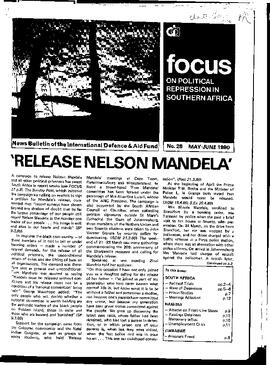
This issue centers on the campaign to release Nelson Mandela, political trials involving ANC members, widespread detentions, prison conditions, and regional instability due to South African military incursions into Angola and Zambia. Key trials include those of James Mange, Renfrew Christie, and numerous ANC guerrillas. The issue details amnesties in Zimbabwe, restoration of study rights for political prisoners in South Africa, torture accounts of detained youth, and the banning of religious and civil society organizations in the Transkei. Also discussed are border attacks, military build-ups, and systematic pressure on frontline states.
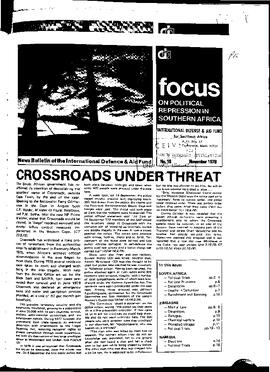
This issue highlights the violent police raids on Crossroads squatter camp, political trials including the Mothopeng and SASM 11 cases, detention of activists, the death of Lungile Tabalaza, and the publication of IDAF's 'Prisoners of Apartheid'. The issue also covers South Africa’s intensified legal repression, martial law expansion in Rhodesia, repression in Ciskei and Venda, deportations, and the death of student activist Johannes Matsobane.
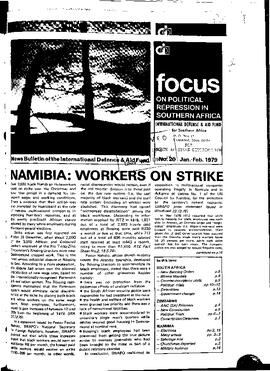
This issue reports on the Namibian uranium mine strike at Rossing, widespread repression in Rhodesia (Zimbabwe), the January 1979 South African banning orders, SWAPO detentions, sabotage trials, torture allegations, deportations of clergy, and the sham elections in Namibia. Includes coverage of the Law and Order Act, military courts in Rhodesia, ANC prisoners in Khami, and intensified student resistance to African military call-ups.
This issue details extensive torture allegations in Rhodesia, including specific cases of teenage detainees Benchard and Leavit Katumba, Bibo Chitsedza, and Duster Katanha. It reports on political trials, executions, petitions for clemency, and the expansion of martial law across prisons in Zimbabwe-Rhodesia. It also covers SWAPO detentions in Namibia, repression in South Africa (including bannings, exile, and suppression of political activists), the creation of a South West African Defence Force under South African control, and press censorship. Further reports cover banned and exiled individuals, refugee crises, and new powers granted to police and Bantustans to restrict movement and civil liberties.
Issue 38 centers on the politically motivated assassination of anti-apartheid lawyer Griffiths Mxenge, as well as widespread detentions of students, trade unionists, and church workers. It documents deaths in detention (e.g., Tshifhiwa Muofhe, Manana Mgoweto), ongoing trials (e.g., Oscar Mpetha case), censorship, new security legislation in Namibia, and the continued militarization of Angola and Namibia. Coverage includes Operation Protea aftermath, juvenile political trials, the rise of civil disobedience by churches, bans and passport seizures, attacks on the South African Council of Churches, and the Red Cross involvement in prisoner welfare.
Issue 57 outlines the intensifying political repression in South Africa and Namibia during early 1985. It highlights escalating political trials, over 1,100 detentions in 1984, censorship and state raids on press agencies, the trial of SWAPO fighters under repressive conditions, and the growing use of the Internal Security Act. The issue reports on community resistance, school boycotts, labour union suppression, press censorship, and constitutional manipulation to preserve apartheid structures. It includes detailed trial summaries, prisoner lists, and coverage of Nelson Mandela’s conditional release rejection.
This issue reports on the execution of Solomon Mahlangu, Soweto student trials (Soweto Eleven), new political trial convictions including Mzilikazi Khumalo and Norman Ngwenya, and ongoing PAC and ANC-related legal cases. It covers the death in detention of Mputie Matsobane on Robben Island, detention statistics, banning orders, and claims for damages by families of detainees like Steve Biko and Joseph Mdluli. Zimbabwe elections, martial law, and South African collaboration with the Rhodesian regime are also addressed. Further topics include press censorship, guerrilla detentions, and the militarization of the border zones.